Six Years On: Communities in India and South Korea Mark the LG Vizag Gas Leak with Calls for Justice and Care
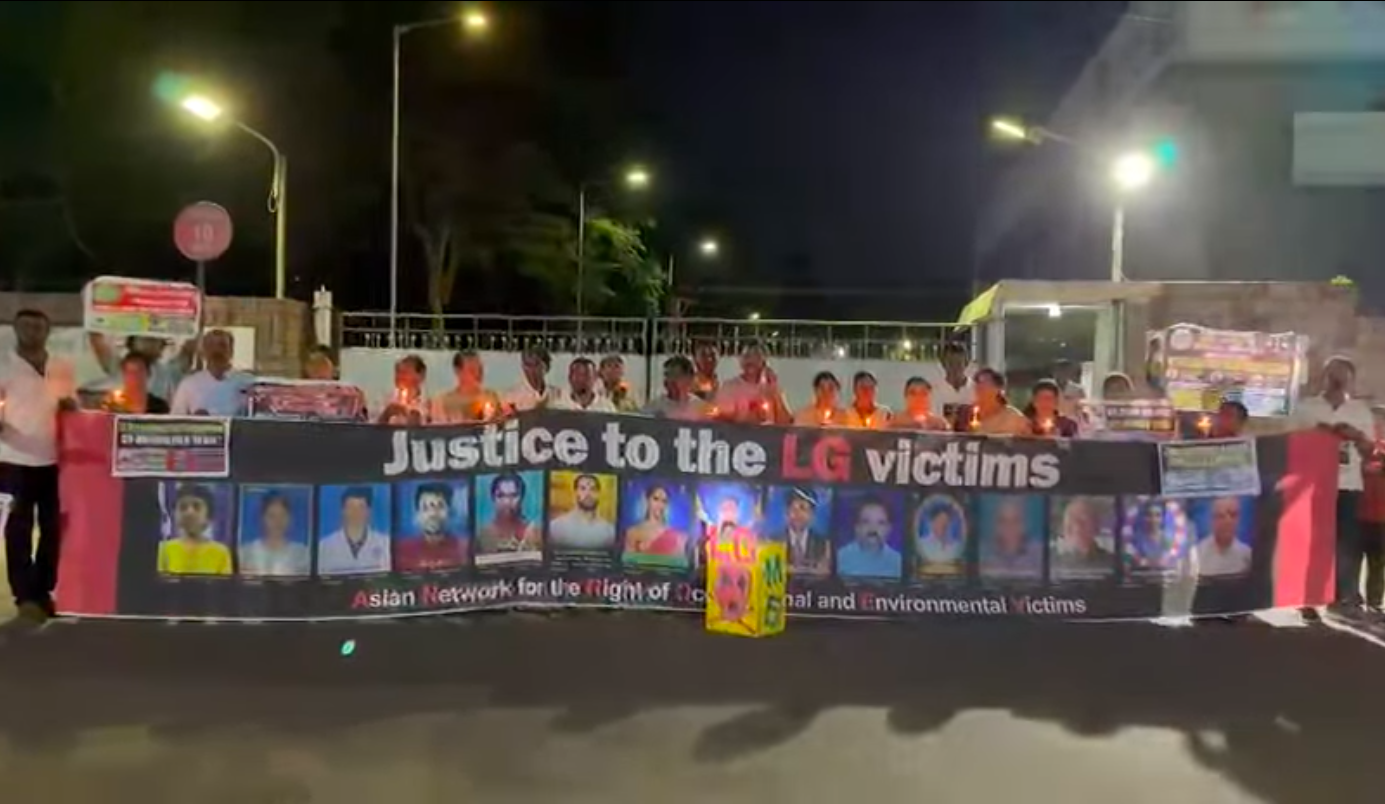
Visakhapatnam / Seoul, May 7, 2026 — Communities in India and South Korea marked the sixth anniversary of the devastating LG Vizag Gas Leak with a series of commemorative and advocacy activities, highlighting both remembrance and the continuing struggle for justice, accountability, and long-term support for affected residents.
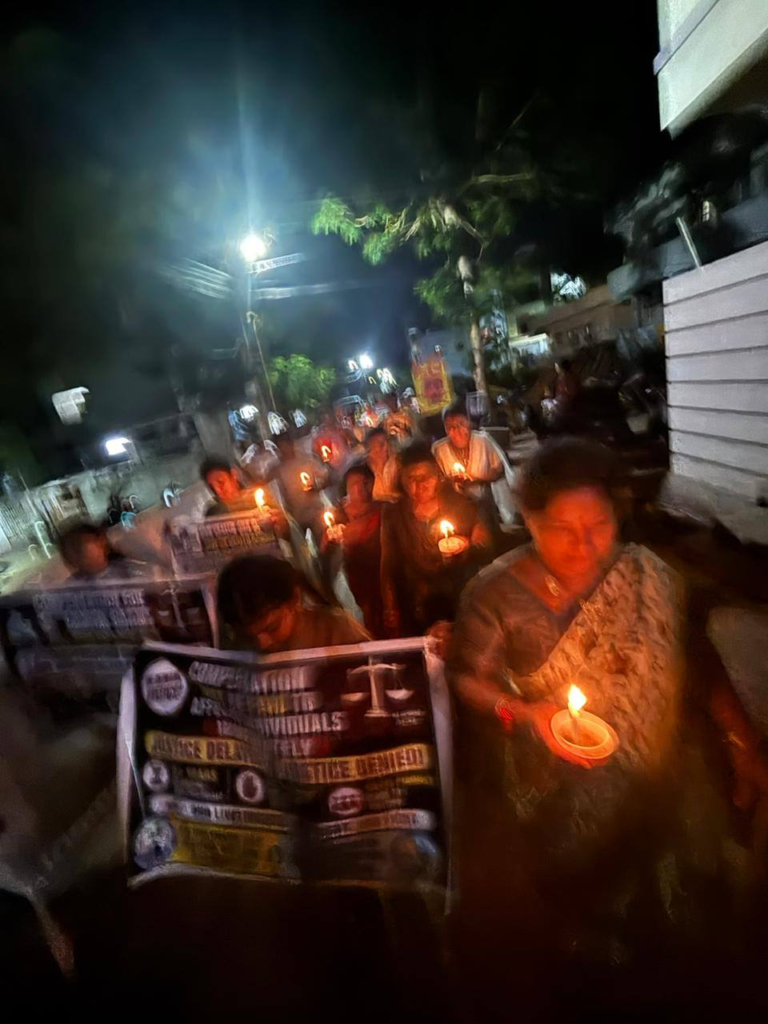
In Visakhapatnam, the LG Polymers Gas Victims Welfare Association organized a candlelight rally to honor those who lost their lives in the disaster. Participants gathered in solemn remembrance, observing two minutes of silence for the victims. The event reflected both the community’s grief and its enduring determination to seek accountability from LG Chem, the corporation behind the plant where the leak originated.
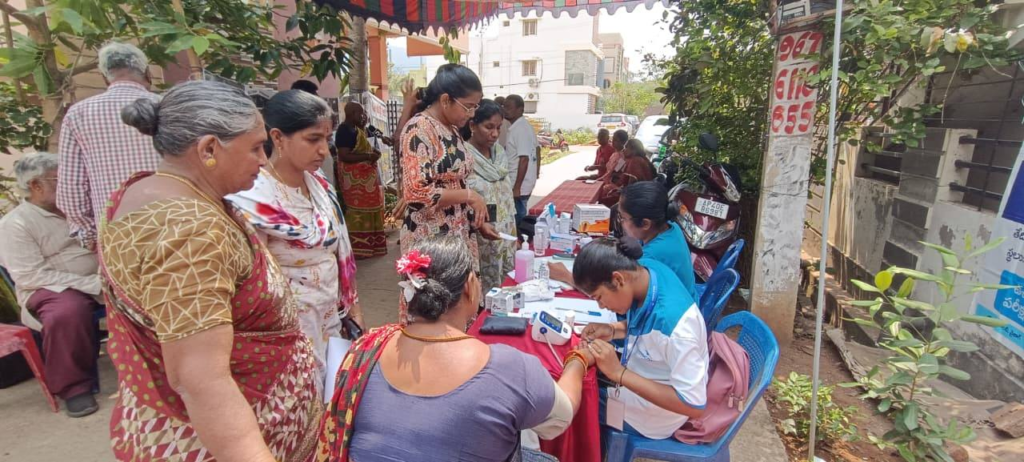
On the same day, a medical camp was conducted for residents affected by the incident. A total of 112 individuals received medical consultations and basic health services, underscoring the persistent health concerns among communities exposed to styrene gas. Survivors continue to report symptoms and anxieties linked to long-term exposure, reinforcing the need for sustained medical monitoring and care.
Parallel commemorative actions were also held in Seoul, where environmental and occupational health advocates gathered at Gwanghwamun Square. Civil society organizations, including the Citizens’ Center for Environmental Health, were joined by the Supporters for Health and Rights of People in Semiconductor Industry and the Asian Monitor Resource Centre in a press conference calling for justice and concrete action for the victims. The gathering emphasized that the impacts of the disaster extend beyond national borders, requiring accountability not only from the company but also from state institutions.
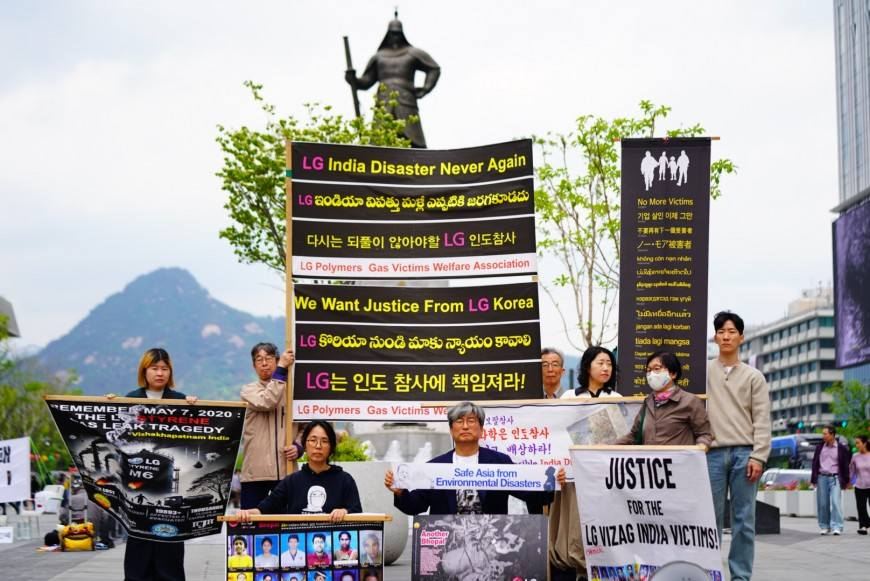
The anniversary marks six years since approximately 818 tons of styrene, a hazardous chemical and known carcinogen, leaked from an LG Chem facility in Visakhapatnam. The incident claimed 24 lives, left 585 individuals hospitalized, and forced the evacuation of around 20,000 residents for more than a week. It remains one of the most serious industrial disasters in recent years in the region.
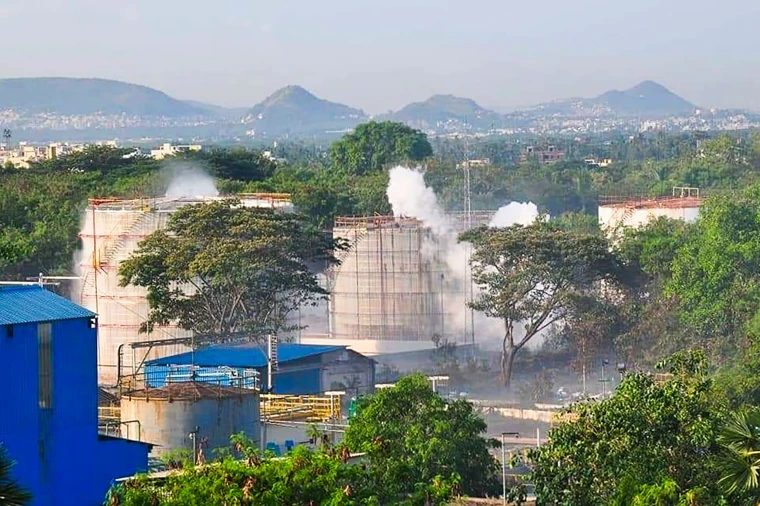
Despite the scale of the tragedy, affected communities continue to face significant challenges. Many survivors report ongoing health issues, environmental damage, and loss of livelihood. Concerns about long-term illnesses, including blood-related cancers such as leukemia, persist. However, compensation and comprehensive support mechanisms have yet to be fully realized. LG Chem has cited ongoing legal proceedings, while critics argue that both corporate and government responses have been delayed and insufficient.
Advocacy groups stress that the anniversary is not only a moment of remembrance but also a call to action. They highlight the urgent need for accessible healthcare, adequate compensation, environmental rehabilitation, and full accountability for the harm caused.
The Asian Network for the Rights of Occupational and Environmental Victims reiterated its solidarity with affected communities, emphasizing that the consequences of the disaster remain a lived reality for many. As the years pass, the persistence of unresolved issues continues to raise concerns about justice, corporate responsibility, and the protection of workers and communities from industrial hazards.
Civil society organizations and victims’ groups continue to call on the governments of India and South Korea, as well as LG Chem, to take immediate and concrete steps to address the needs of those affected. For many, the sixth anniversary stands as both a tribute to lives lost and a reminder that the pursuit of justice is far from over.